UV & Direct Imaging: Getting Sharper Prints on Branded Merchandise
Why UV printing holds detail on curved and non-paper surfaces better than standard methods, and when to specify it on your next order.
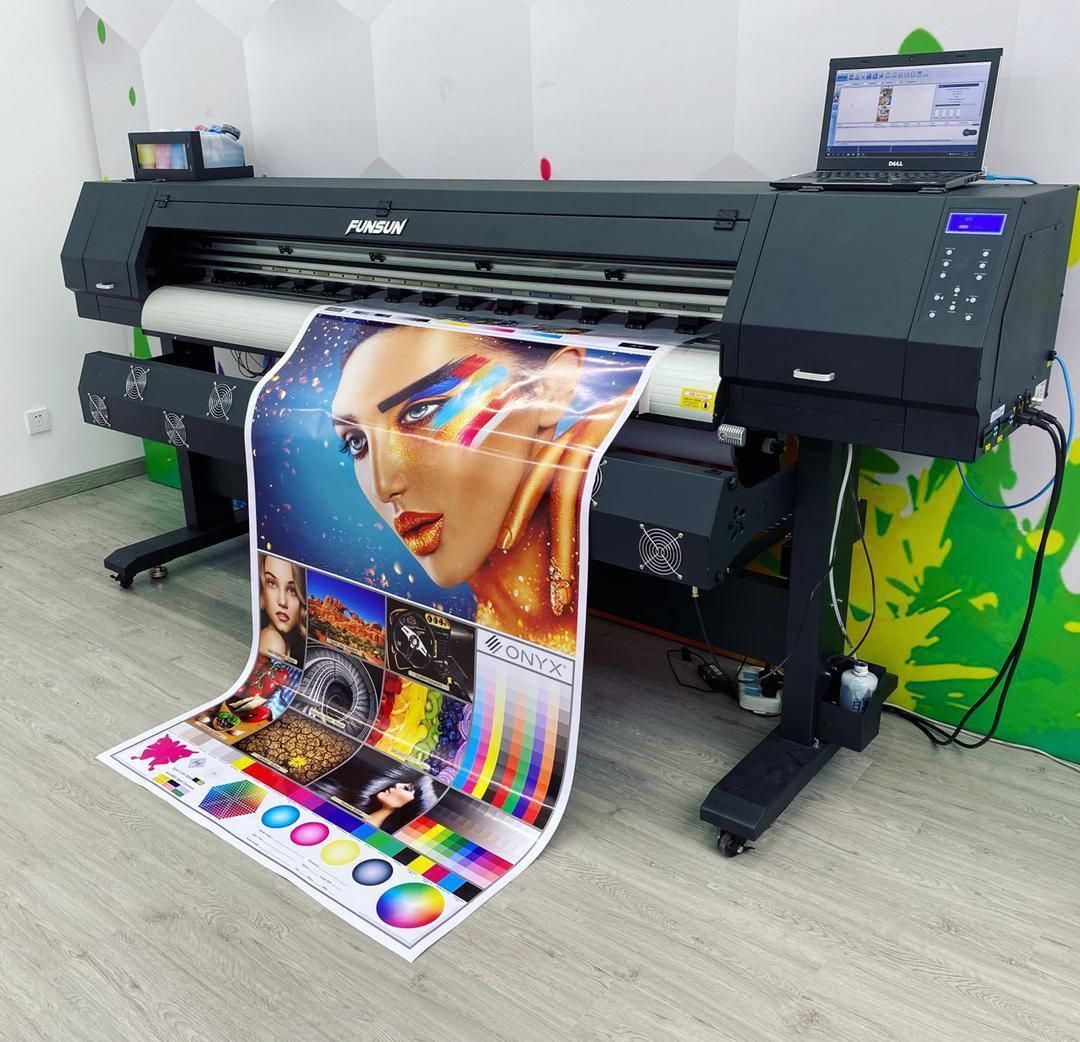
Not every branded item is a flat sheet of paper. Mugs curve, phone pouches flex, enamel pins are metal, and water bottles are both curved and coated. Standard printing struggles on all of them — which is exactly the gap UV and direct imaging printing were built to close.
What "direct imaging" actually means
Direct imaging is the broad term for printing straight onto a surface or material from a digital file, with no printing plate involved. It's fast to set up and flexible for small-to-medium batches, which is why it shows up across call cards, brochures and merchandise runs alike.
Where UV printing fits in
UV printing is a specific direct-imaging technique: ink is cured instantly with ultraviolet light the moment it's applied. That instant cure is what lets it bond cleanly to surfaces ordinary ink rejects or smudges on — plastic, metal, glass and curved items — while keeping edges sharp and colours vivid instead of soaking in and bleeding.
Where each method holds up best
| Surface / item | Best method | Why |
|---|---|---|
| Ceramic mugs, bottles | UV printing | Cures on curved, coated surfaces without smudging |
| Phone pouches, plastic items | UV printing | Bonds to non-porous plastic where standard ink won't hold |
| Call cards, flyers, brochures | Direct imaging (standard) | Fast, flexible, cost-effective on paper stock |
| Enamel pins, metal items | UV printing | Sharp detail and colour hold on metal surfaces |
When it's worth specifying UV on your order
- Anything curved — mugs, bottles, tumblers
- Anything non-paper — plastic, metal, glass, coated surfaces
- Fine detail that needs to stay sharp — small logos, thin text, gradients
- Items that will be handled or washed frequently, where standard ink wears off faster
Not sure which method your merchandise order needs?
Ask our print team on WhatsAppThe method behind a print rarely gets asked about — until a mug's design peels after two washes, or a phone pouch print scratches off in a bag. Specifying UV where the surface calls for it is a small line item that decides whether your branded merchandise still looks sharp six months from now.
Frequently asked questions
What is UV printing?
UV printing cures ink instantly with ultraviolet light as it's applied, letting it bond to surfaces ordinary ink can't — curved bottles, phone pouches, plastic and metal — while keeping edges sharp.
What's the difference between UV printing and direct imaging?
Direct imaging is the broad term for printing straight onto a surface without a plate. UV printing is a specific direct-imaging technique using UV-cured ink for non-paper and curved surfaces.
Can UV printing be used on curved items like mugs or bottles?
Yes — it's one of the more reliable methods for curved items, since the ink cures on contact and holds detail on surfaces that would smudge standard ink.
Is UV printing more expensive than standard printing?
It can carry a premium, but for merchandise on plastic, metal or curved surfaces it's often the only method that produces a clean, durable result.